Rio das Artes

CURADORIA

Frederico Coelho

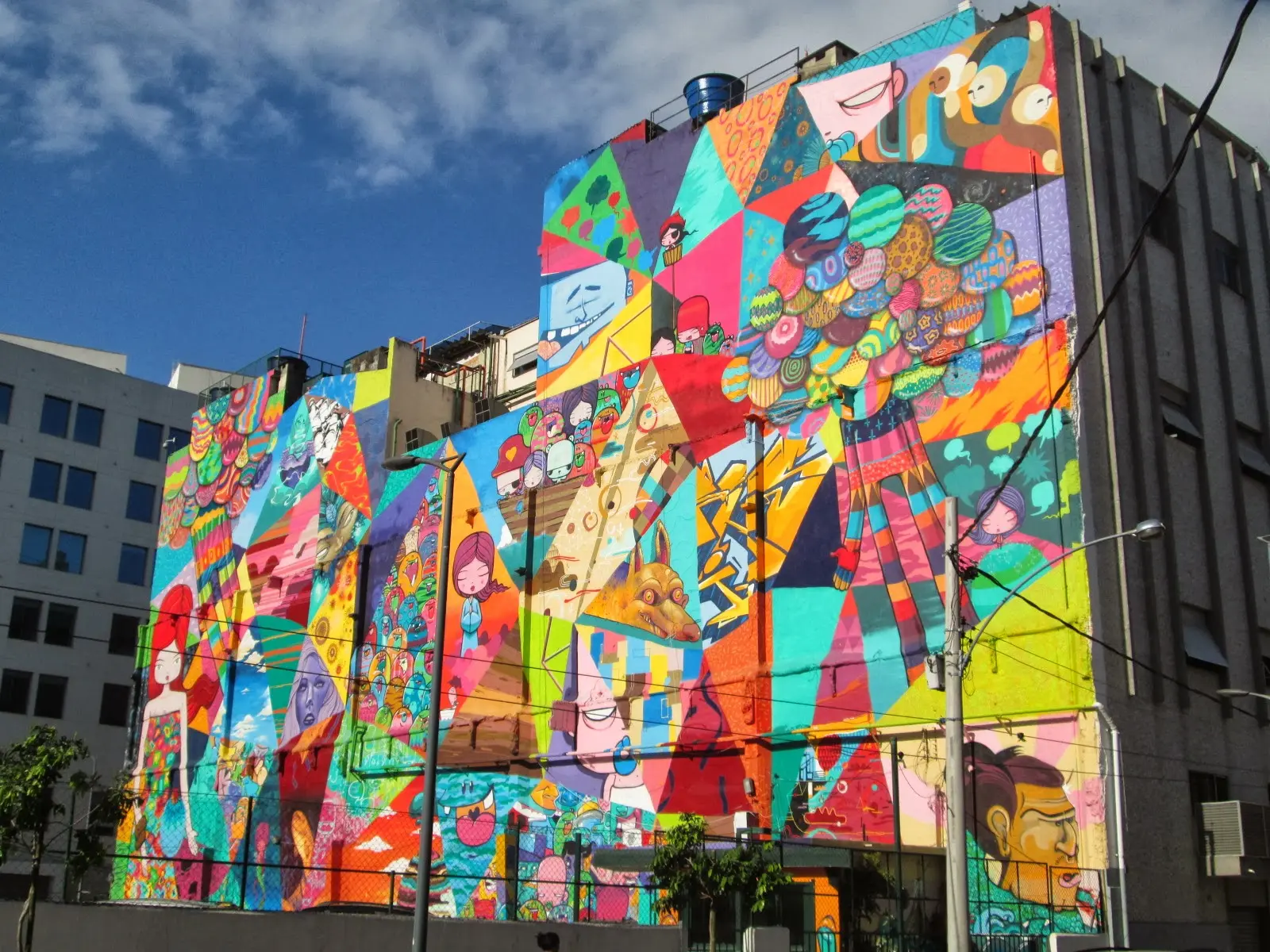
The memories of the various names, movements, and works linked to the visual arts that occurred in Rio de Janeiro are linked both to the role of the official and private institutions that fueled the formation and circulation of artists, and to what happened and happens in its streets. From its organization around the initiatives of the court of Dom João VI to the great international names and contemporary practices, the place of art in the city has played a decisive role for the carioca. Even if it is generally seen as a segment linked to the elites, there are diverse paths that aesthetic creation spreads across in our history.
Explore as salas

Arte, política e mercado na década de 1960

Even after losing its status as the country's capital in 1960, Rio de Janeiro continued as one of the national creative epicenters. The growth of political tensions during the period of the international cold war transformed the arts into a space of reflection and engagement. The politicization that occurred primarily in the spheres of cinema, popular music, and theater also reached the visual arts. Exhibitions and movements continue to occur in a city with more and more galleries and new artists. Amidst the climate of authoritarianism that grew over the years, American pop painting, new techniques linked to graphic design, or the first public performances coexisted with a search to make art a more popular medium in a city whose economic misery and urban violence were growing more and more.

enter

Explore as salas

Quer saber mais sobre a história do Rio?