Rio das Artes

CURADORIA

Frederico Coelho

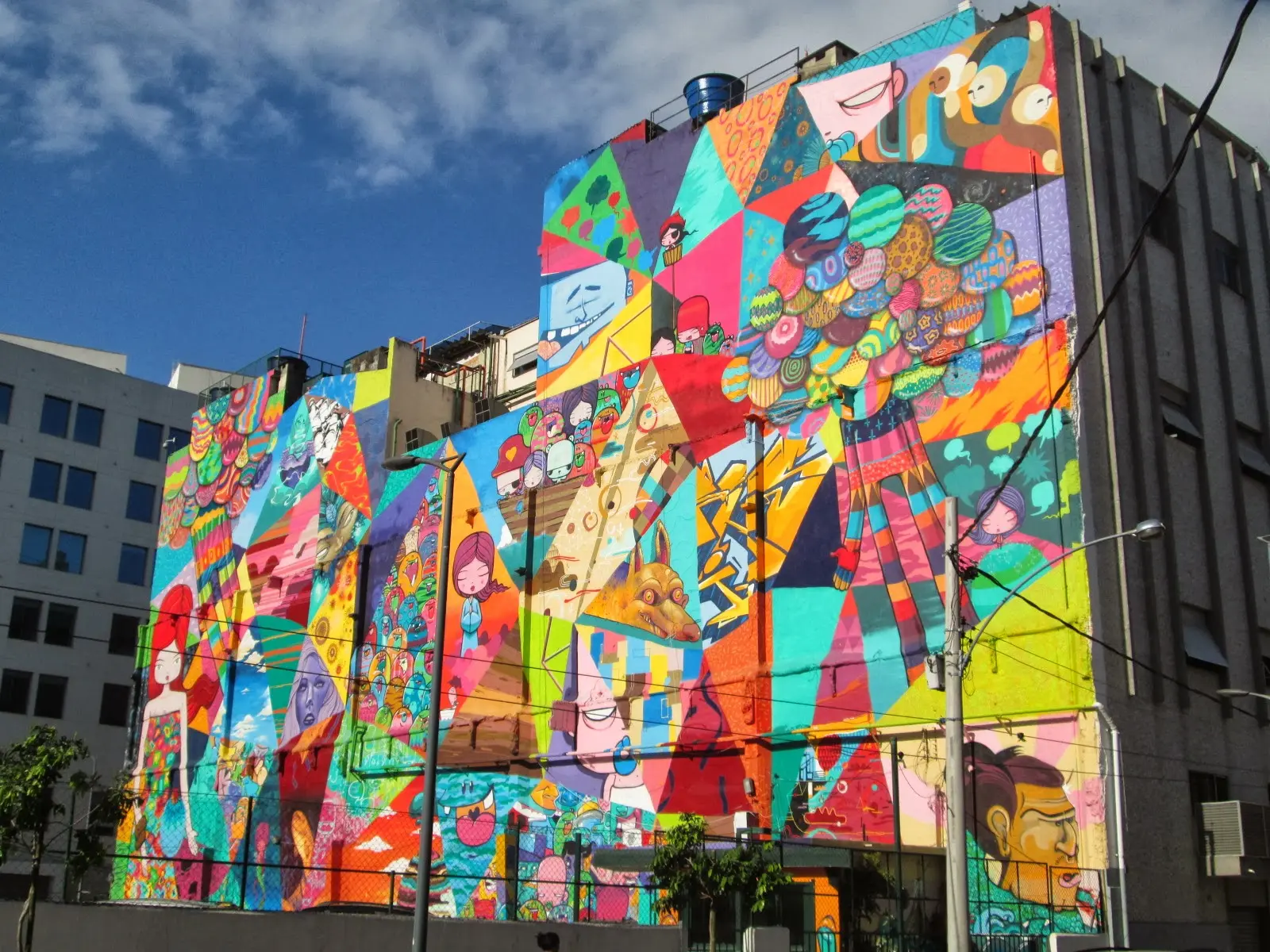
The memories of the various names, movements, and works linked to the visual arts that occurred in Rio de Janeiro are linked both to the role of the official and private institutions that fueled the formation and circulation of artists, and to what happened and happens in its streets. From its organization around the initiatives of the court of Dom João VI to the great international names and contemporary practices, the place of art in the city has played a decisive role for the carioca. Even if it is generally seen as a segment linked to the elites, there are diverse paths that aesthetic creation spreads across in our history.
Explore as salas

A era do Estado Novo

With the rise of Getúlio Vargas and the Estado Novo, the quest for the production of national symbolisms through imagery reaffirmed Rio de Janeiro's role as the country's cultural and visual capital. Between the emergence of young talents and the consolidation of the achievements stemming from the modernism of the 1920s, the teaching and criticism of visual arts in the city resume heated debates from the turn of the century, in an attempt for a greater opening of institutions to a new thought of art and of Brazil. New groups, such as the Núcleo Bernardelli, emerge outside the still-present academicism. Cândido Portinari stands out as the greatest Brazilian artist, however, names like Guignard and Santa Rosa work diligently in the daily life of Carioca art. With the advent of World War II, artists from other countries settle in an urban space undergoing profound modifications in its design and buildings. With a dictatorial government, the production of large-scale works and the election of artists as national icons set the tone of a turbulent period for the city, the country, and the world.

enter

Explore as salas

Quer saber mais sobre a história do Rio?