Rio das Artes

CURADORIA

Frederico Coelho

The memories of the various names, movements, and works linked to the visual arts that occurred in Rio de Janeiro are linked both to the role of the official and private institutions that fueled the formation and circulation of artists, and to what happened and happens in its streets. From its organization around the initiatives of the court of Dom João VI to the great international names and contemporary practices, the place of art in the city has played a decisive role for the carioca. Even if it is generally seen as a segment linked to the elites, there are diverse paths that aesthetic creation spreads across in our history.
Explore as salas

A invenção do contemporâneo

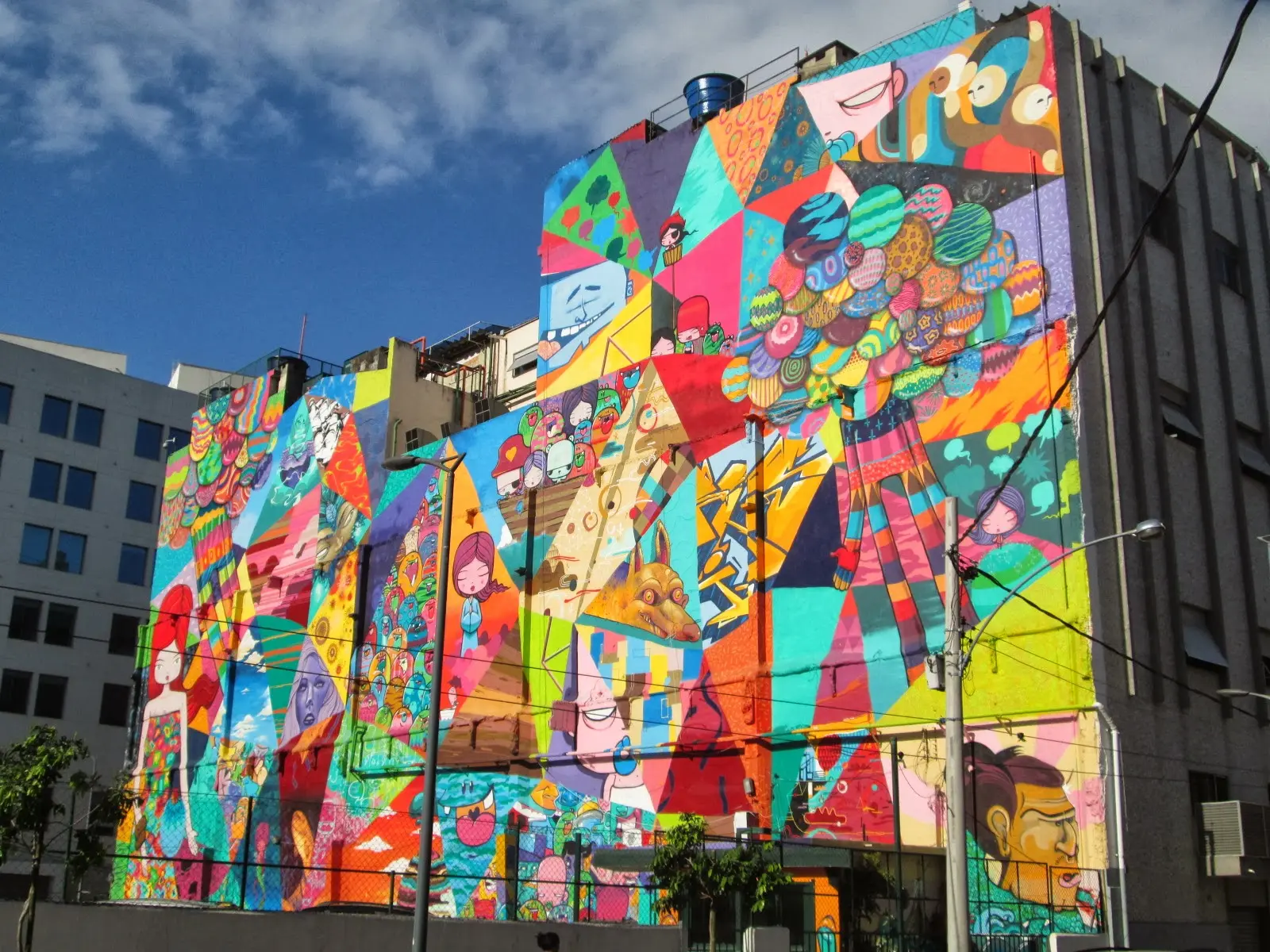
From the 1980s onwards, the visual arts began to coexist with the various practices that emerged in previous decades and which expanded their traditional definition into different techniques, media, and scales. Increasingly, the term “contemporary art” was used to define such a varied field of proposals and works. With the global expansion of markets, starting from the globalization of the end of the century and with the speed of networks and digital culture in the 21st century, contemporary art gained a new international dynamic and new institutions that engage in dialogue with such transformations. In Brazil in particular, redemocratization and the stabilization of the currency expanded this contemporary shift, removing from local artists the underdeveloped or peripheral label and inserting them into new aesthetic dynamics, in permanent dialogue with the world. In Rio de Janeiro, the numbers of studios, exhibitions, subversions, and institutions grew, transforming the city into one of the creative references of the new millennium.

enter

Explore as salas

Quer saber mais sobre a história do Rio?