Rio das Artes

CURADORIA

Frederico Coelho

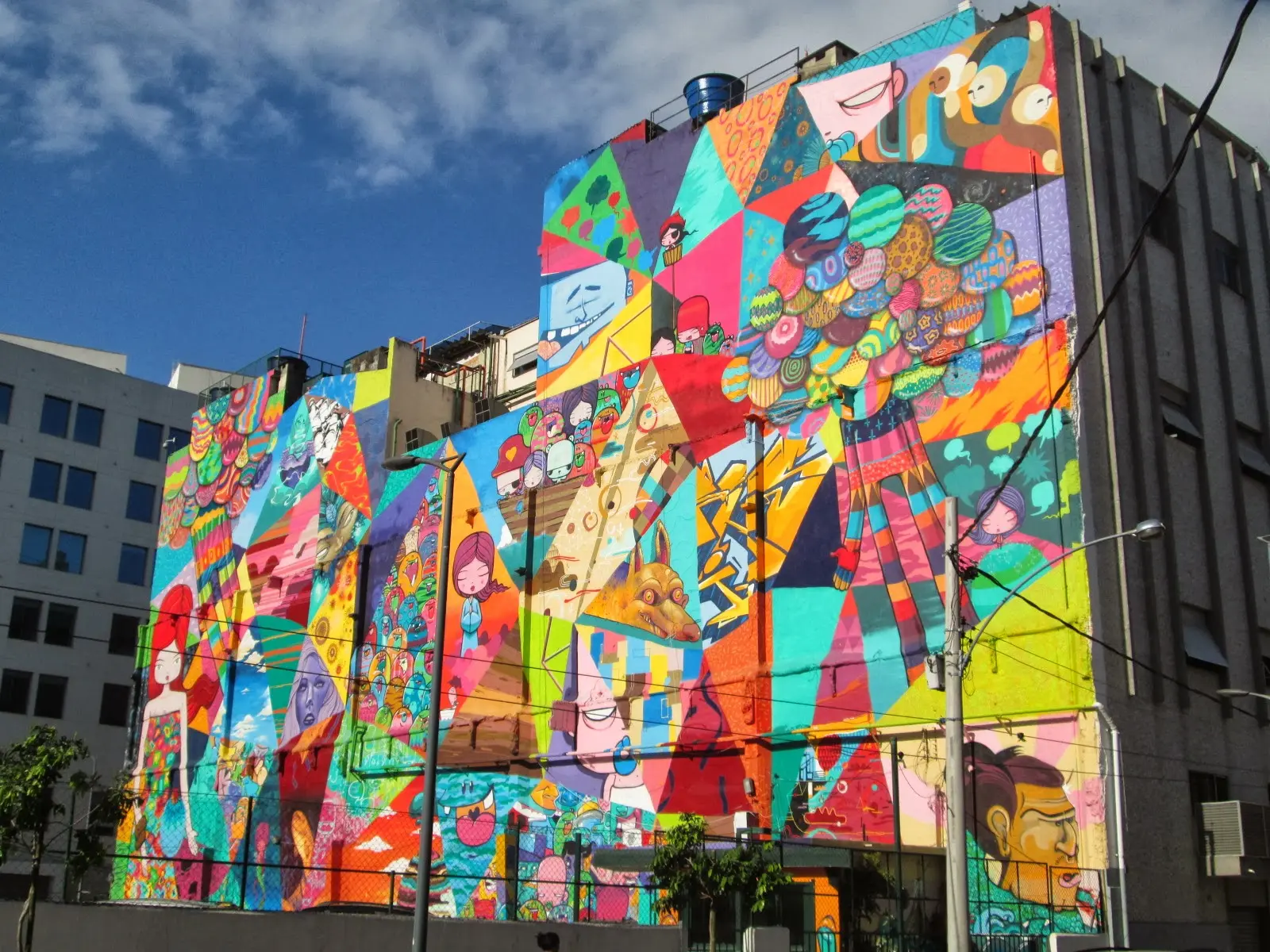
The memories of the various names, movements, and works linked to the visual arts that occurred in Rio de Janeiro are linked both to the role of the official and private institutions that fueled the formation and circulation of artists, and to what happened and happens in its streets. From its organization around the initiatives of the court of Dom João VI to the great international names and contemporary practices, the place of art in the city has played a decisive role for the carioca. Even if it is generally seen as a segment linked to the elites, there are diverse paths that aesthetic creation spreads across in our history.
Explore as salas

A década experimental

The impact of the most acute period of the civil-military dictatorship was great in the field of visual arts in Brazil. Self-exiles (Rubens Gerchman, Lygia Clark, Hélio Oiticica and Antônio Dias, for example, establish themselves for much of the period outside the country) and censorship dismantled the collective movements that marked the 1950s. This did not prevent, however, that in Rio de Janeiro artists and critics sought alternatives to pursue the relationship of art with the public. At the same time, a new generation of artists involved with other languages – such as video – and more experimental approaches (installations, performances and public interventions) set the tone of a period marked by the tragedy of the Museum of Modern Art fire.

enter

Explore as salas

Quer saber mais sobre a história do Rio?