Rio das Artes

CURADORIA

Frederico Coelho

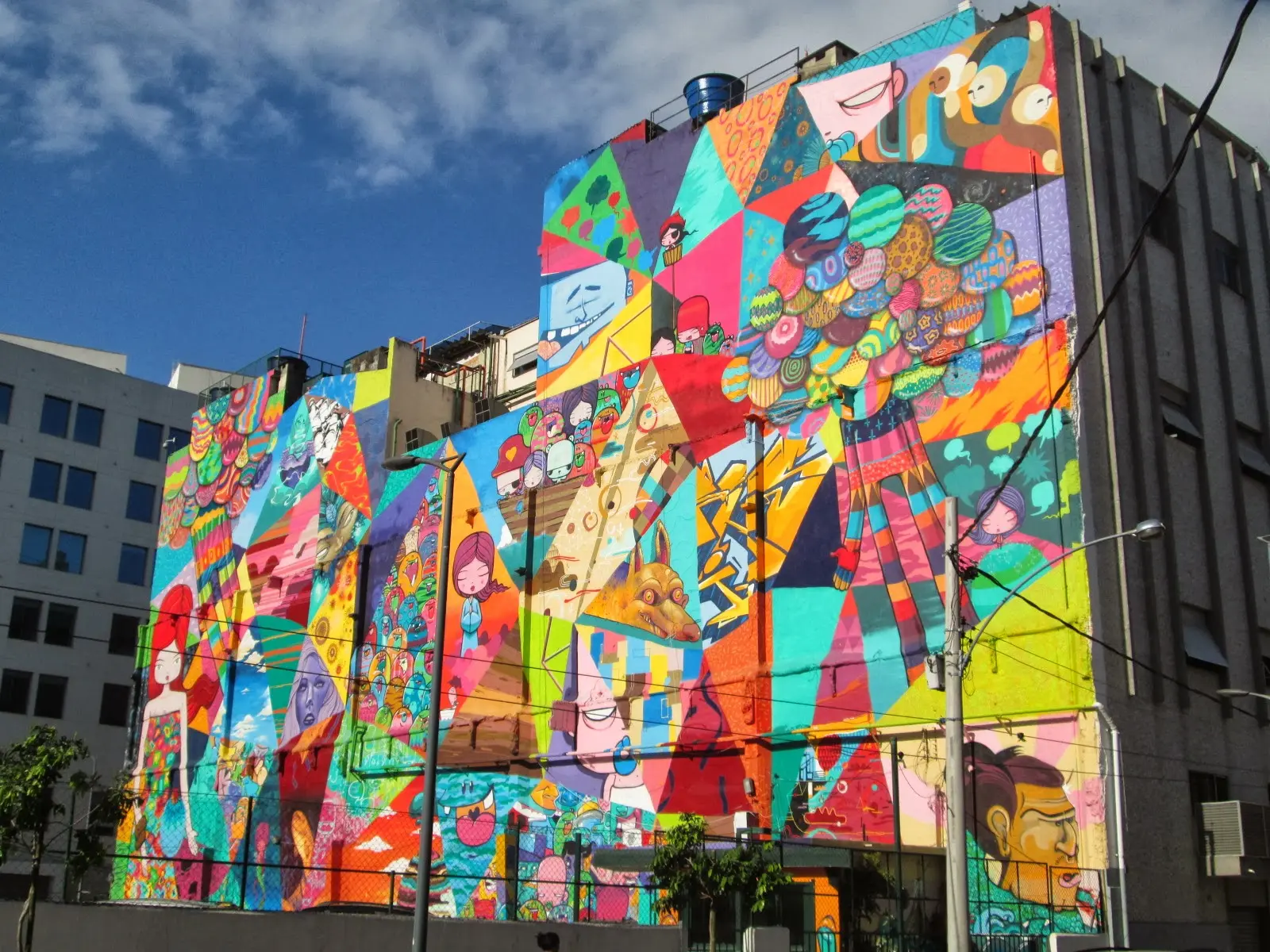
The memories of the various names, movements, and works linked to the visual arts that occurred in Rio de Janeiro are linked both to the role of the official and private institutions that fueled the formation and circulation of artists, and to what happened and happens in its streets. From its organization around the initiatives of the court of Dom João VI to the great international names and contemporary practices, the place of art in the city has played a decisive role for the carioca. Even if it is generally seen as a segment linked to the elites, there are diverse paths that aesthetic creation spreads across in our history.
Explore as salas

Arte e República

With the advent of the Republic in 1889, the visual arts in Rio de Janeiro begin to become part of a new historical moment, in which the city's visual culture adapts to the new urban demands of the emerging tropical metropolis. Despite the continuity in the official patterns of academic teaching, the National School of Fine Arts becomes a space of intense aesthetic and political disputes. Modernists, classicists, positivists, and "futurists" are the new characters who form an expanding field of work. Alongside the first galleries and the still incipient formation of an art market, illustrated magazines and the evolution of graphic artists expand the population's access to the production of images within a culture of masses. The advent of the so-called modernism incorporates a series of new pieces of information originating from the European avant-gardes and definitively transforms the role of art and of artists in the republican federal capital.

enter

Explore as salas

Quer saber mais sobre a história do Rio?