Rio de Marés
CURADORIA
Mario Brum
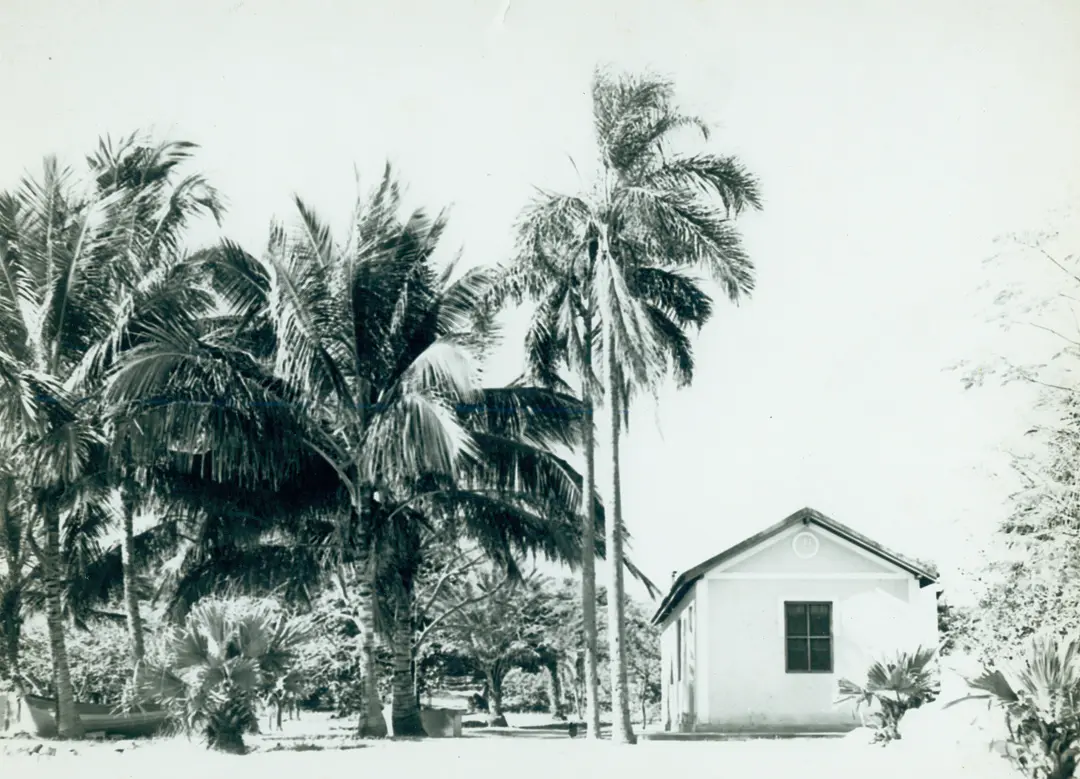
What was the territory of the Maré like before it existed in its current configuration as a complex of 16 favelas? What was it like before, the northern coastline of the city, with the beaches and the islands of the Baía de Guanabara? What were the first destinations of the territory that currently serves the city in various ways – from the supply of labor to an area designated to receive waste – and receives so little in return? The initial question can be asked in any neighborhood or city in the world. When it comes to South America, which experienced European colonization, the genocide, and the expulsion of indigenous peoples, it acquires even greater relevance. The Rio de Marés gallery addresses the Complexo da Maré from the first centuries of the colonization of Rio de Janeiro: the formation of the territory on the banks of the bay and its exuberant nature, fishing villages, farms, docks and, from the 20th century, increasingly constant, the environmental damages in the region.