Rio Cultural
The city of Rio de Janeiro has consolidated, throughout its history, a great cultural vocation, a direct result of its diverse social formation and its political and economic role in the Brazilian context. Since the colonial period, the city has configured itself as an important Atlantic port, receiving continuous flows of populations, African and European, who joined the indigenous peoples, whose coexistence and exchange gave rise to a cultural plurality. This process was intensified with the transfer of the Portuguese court in 1808 and, subsequently, with its status as the capital of the Empire and the Republic, attracting institutions, artists, intellectuals, and cultural investments.
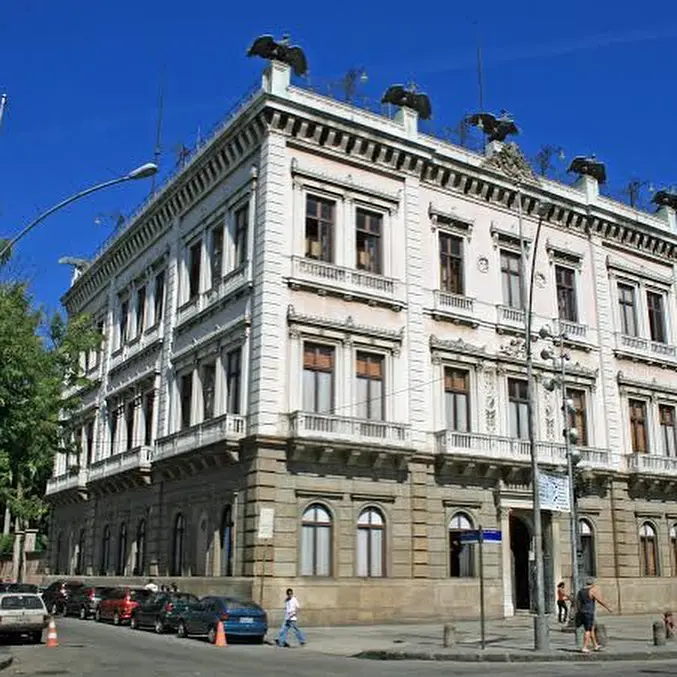
This diverse and dynamic genesis largely explains the significant concentration of cultural facilities in the city, such as museums, libraries, theaters, and cultural centers. These spaces not only reflect Rio de Janeiro's historical trajectory as a political and cultural hub, but also act as agents for preserving and disseminating its memory and diversity, reaffirming the city as one of the country's leading cultural centers.