Rio Entre encantos e assombros
CURADORIA
Luiz Rufino
CURADORIA
Luiz Antonio Simas
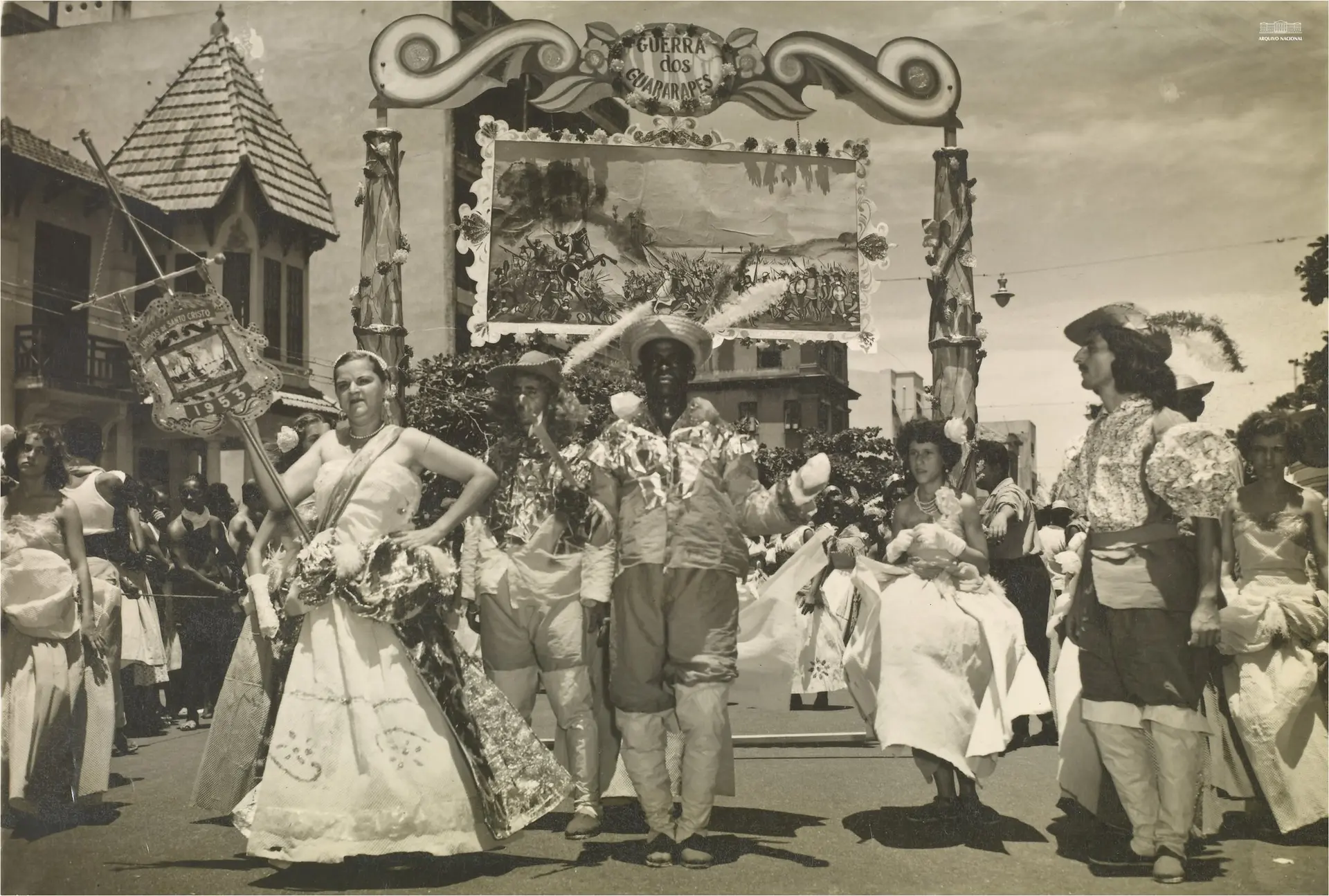
Between January and March 1904, João do Rio, a young Carioca reporter, published a series of reports titled “As Religiões no Rio” in the Gazeta de Notícias do Rio de Janeiro. A success at the time, these writings still echo today, triggering important debates about the ambivalences, contrasts, affections, violences, differences, and conflicts that permeate the city. The gallery proposes a look at the intersections between faith and festival in Rio, which occur in romarias, promises, and offerings to deities, superstitions, and in everyday rituals.
Astonishment, devotion, festival, furdunço and market:
what do these words say about the souls that wander through this place? What can those five points, scratched and crossed on the village floor, tell us about the intimacy, dream, luck, struggle, magic, life and death of the inhabitants? There are those who give a name that tries to explain all of this: religion. How, however, we are faithful to the quizumbas traced in the village, we prefer to evoke the foundations of mystery.